 Smart Play APK
Smart Play APK
Smart Play APK
iOS manages how apps behave when not in the foreground to save battery and maintain system performance. Apple sets specific policies for background activity, especially for media like audio and video. These rules allow certain functions to continue but limit others based on app design and declared capabilities.
Smart Play iOS handles media playback including streams and local files. On iOS, background video features work differently from audio-only playback. While audio can often continue seamlessly, full video playback faces stricter controls when the app moves to the background or the screen locks.
These differences stem from Apple's focus on user experience and resource management. Apps must be configured properly to support intended background behaviors, or playback pauses or changes form.
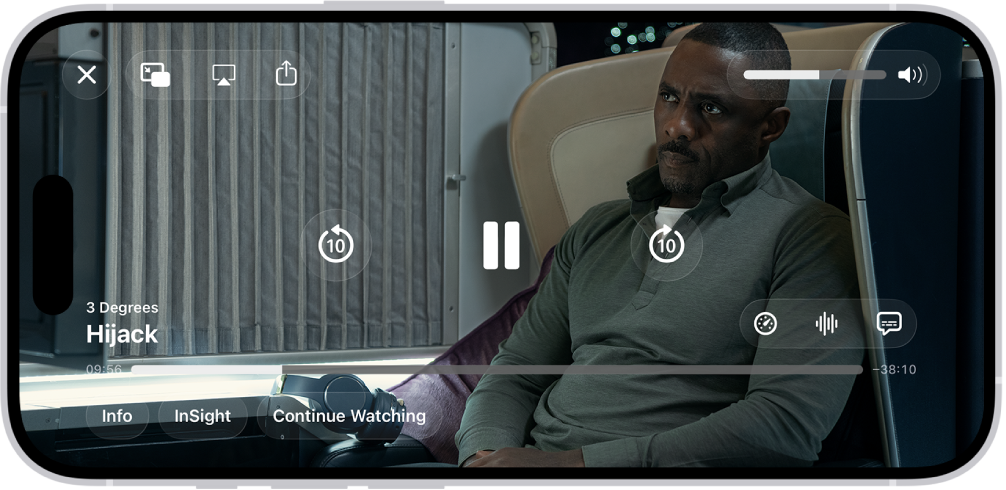
iOS suspends most app activity in the background unless developers enable specific modes. For media, the Audio, AirPlay, and Picture in Picture background mode allows continued operation under defined conditions. This mode supports audio playback and Picture in Picture for video.
Without this capability declared in the app's entitlements, the system pauses media when the app leaves the foreground. Even with it enabled, video handling requires careful setup using frameworks like AVFoundation.
Apple prioritizes audio continuity over full video rendering in the background to optimize power use and device performance.
Audio playback continues reliably in the background when using the playback category in AVAudioSession and the audio background mode. This setup keeps sound active even with the screen locked or another app open. Many music and podcast apps rely on this.
Video playback does not continue rendering full frames in the background the same way. The system pauses video decoding and display to conserve resources. Instead, apps can use Picture in Picture mode, where video appears in a small floating window that users can move around.
Without Picture in Picture support, video stops completely when the app backgrounds. This creates a clear distinction in user experience between audio-focused and video-focused features.
Apps like Smart Play Ios use Apple's media frameworks to manage streams. For audio streams, background continuation works when properly configured with the playback session category. Users can listen while using other apps or with the device locked.
Video streams face limitations. Full video playback halts in the background unless Picture in Picture activates. This mode allows the video to persist in a movable window, but it does not support the same seamless full-screen experience as on other platforms.
These policies ensure consistent battery life across apps but reduce video background options compared to dedicated audio players.
A user streams a video podcast in Smart Play iOS and switches apps. Audio continues, but video elements stop unless Picture in Picture starts automatically or manually. Returning to the app resumes full video from the paused state.
Developers enable the Audio, AirPlay, and Picture in Picture capability in Xcode project settings. This declaration tells iOS the app needs background media support. Adding the audio value to UIBackgroundModes in the Info.plist file activates it.
Setting AVAudioSession to the playback category allows audio to persist. For video, apps implement Picture in Picture using AVPlayerLayer and related APIs. These steps must align for expected behavior.
Improper setup leads to automatic pauses enforced by the system.
After configuration, test by playing content, backgrounding the app, and locking the screen. Audio should continue, and video may enter Picture in Picture if supported.
Video decoding and rendering demand more GPU and CPU resources than audio. Apple restricts background video to prevent excessive battery drain and overheating. Picture in Picture provides a compromise that keeps content visible without full resource commitment.
Privacy and security also factor in, as background video could involve ongoing camera or network access. Policies encourage foreground priority for demanding tasks.
Newer iOS versions refine these rules but maintain the core distinctions between audio and video.
Users enable Picture in Picture in device settings under Home Screen & Multitasking. This allows supported apps to show video in a floating window during background use. Keeping the app in the foreground maintains full playback.
Some features like audio-only mode in video content can extend background listening. Checking app-specific settings reveals available options for background behavior.
These adjustments help adapt to Apple's policies without changing the app itself.
Apple's background policies create reliable audio experiences but limit video flexibility in the background. This suits many users who prioritize battery life and system stability. Media apps adapt by focusing on audio continuity or Picture in Picture integration.
Differences highlight platform-specific design choices. Users familiar with other systems notice these variations in streaming apps.
For additional constraints on data handling during playback, the network restriction issue can further influence performance on cellular connections. Understanding these elements helps set expectations for iOS media features.